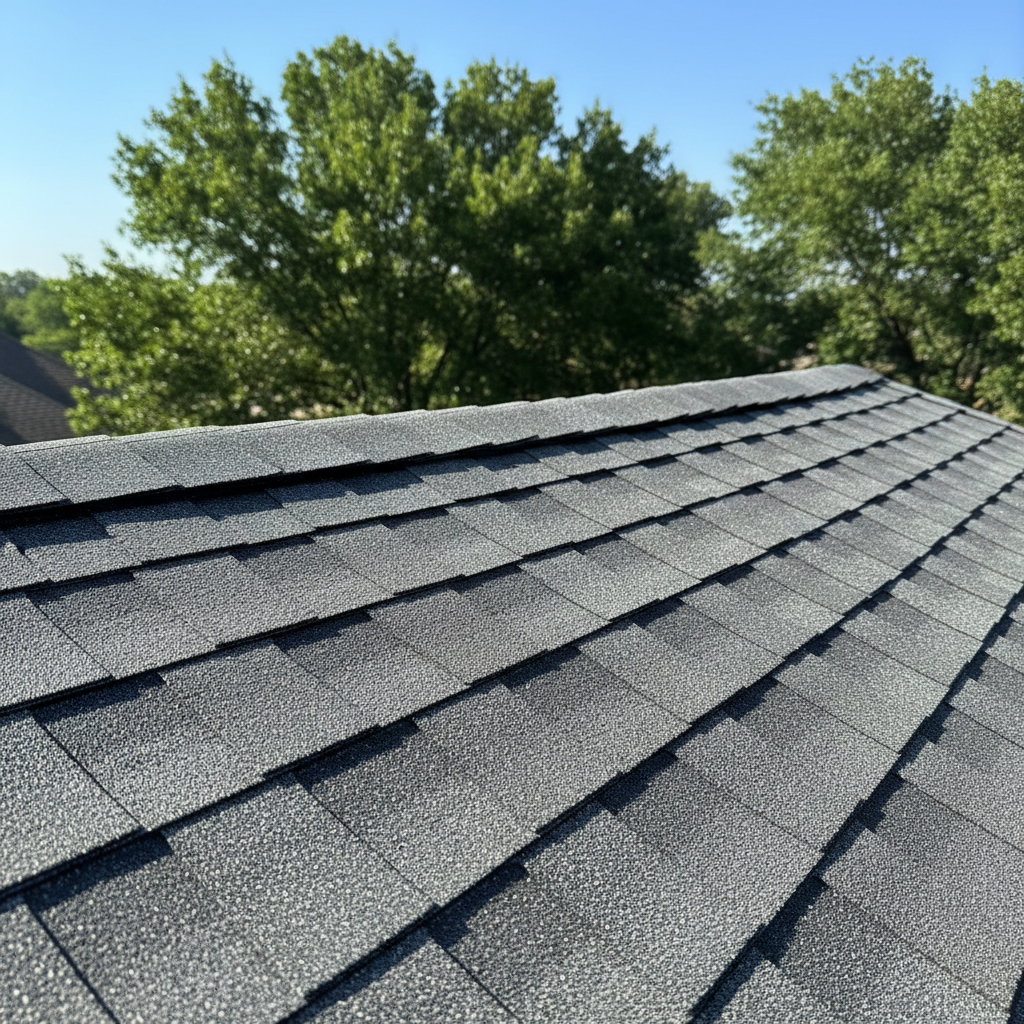
Finding water dripping from your ceiling during a heavy storm is a sinking feeling. If you live around Eagle Mountain Lake or further out toward Parker County, you already know how fast North Texas weather can turn nasty. High winds and sudden downpours test every shingle, flashing joint, and pipe boot on your roof. When things fail, water migrates inside fast. Central Restoration Inc gets a lot of questions from local homeowners dealing with the aftermath. Let us walk through the most common ones so you know what to expect.
How fast does roof leak water damage turn into mold in Azle?
In our humid climate, mold can start growing within 24 to 48 hours of a leak. That is just the reality of Texas humidity combined with trapped moisture inside a dark ceiling cavity or wall. If you spot a water stain on your drywall, do not wait for it to dry on its own. The insulation behind that wall is likely holding onto water like a sponge. Getting a professional out quickly to map out the moisture levels stops minor shingle damage from turning into a massive mold remediation project.
Do I need to fix the roof before dealing with the indoor water damage?
You have to stop the active water source first, or any indoor repairs are a waste of time and money. But that does not mean you have to wait for a complete roof replacement before tackling indoor drying. Once the storm passes and a temporary patch or tarp is secured overhead, indoor water extraction and structural drying can begin immediately. Central Restoration Inc coordinates both sides so you are not living with industrial fans blowing against a wet roof. Dry the structure out, then patch the finishes.
Why is my ceiling stained if the roof leak is somewhere else?
Water follows the path of least resistance, which rarely leads straight down. It hits your roof decking, runs along the wooden rafters or trusses, and finally drips down wherever gravity dictates. You might see a brown ring in the middle of your living room ceiling, but the actual hole in your shingles could be several feet away near a plumbing vent or valley. That is why guessing the leak source usually leads to wasted patch jobs. Central Restoration Inc uses thermal imaging and moisture meters to track the exact trail from top to bottom.
Can I just paint over the ceiling water stain once it dries?
If you paint over a water stain without sealing it first with an oil- or shellac-based primer, the brown tannin ring will bleed right back through the new paint within a few days. More importantly, painting over a stain does not fix compromised drywall. If the drywall paper has disintegrated or the core has lost its structural integrity, it needs to be cut out and replaced. Always make sure the framing behind the drywall is completely dry before patching anything up.
Will my homeowner's insurance cover roof leak repairs and water damage?
It depends entirely on what caused the leak. If a severe windstorm or hailstorm tore off your shingles or cracked your flashing, insurance typically covers both the roof repair and the resulting interior water damage. However, if the leak stems from deferred maintenance, old age, or worn-out caulking that simply gave out over time, the insurance company will likely deny the claim. Documenting the storm event and getting a detailed professional inspection report makes a big difference when you file.
How long do the industrial drying fans need to run?
Most structural drying setups run for about three to five days. Central Restoration Inc places commercial-grade air movers and low-grain dehumidifiers strategically around the affected rooms to pull moisture out of the framing studs, subfloors, and drywall. We do not just guess when it is done; we take daily moisture meter readings until the materials match standard dry guidelines for our region. Pulling the equipment too early is an invitation for warping, buckling, and future fungal growth.